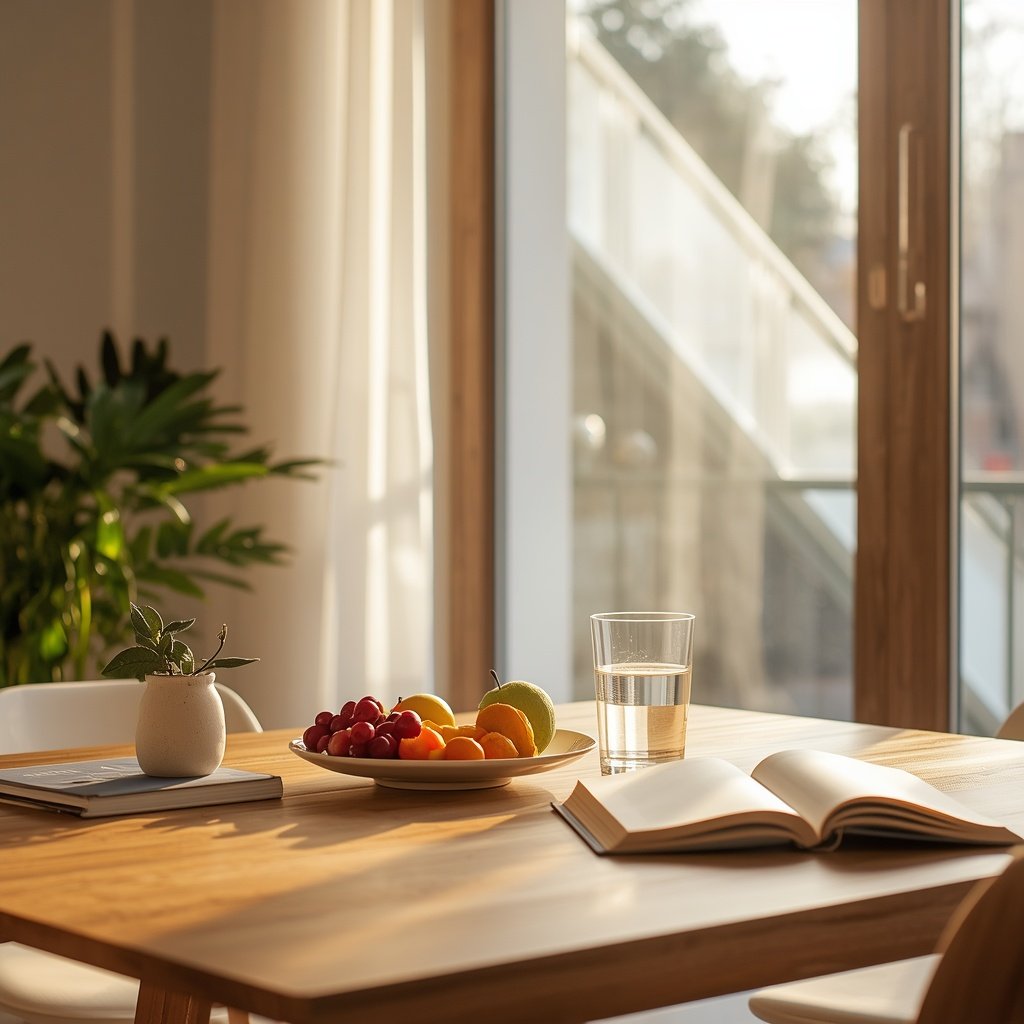
10 Simple Lifestyle Changes That Can Make Your Everyday Life Better
A better lifestyle does not always begin with a strict diet, expensive products or a complicated fitness plan. In many cases, meaningful change starts with small everyday habits. A calmer morning, regular movement, better food choices, less unnecessary screen time and enough rest can gradually create a healthier, happier and more balanced routine.
Modern life moves quickly. Between work, studies, family responsibilities, social media, smartphones and constant notifications, it can become difficult to find enough time for yourself. The good news is that improving your lifestyle does not require changing everything at once.
Instead, the most sustainable approach is to build simple habits that fit naturally into your daily schedule. Here are practical lifestyle changes that can help you create a more organized, energetic and enjoyable everyday life.
1. Start Your Morning Without Immediately Checking Your Phone
One of the easiest lifestyle changes is to create a calmer start to the day. Many people reach for their smartphone as soon as they wake up and immediately begin checking messages, social media, emails and notifications.
Instead, give yourself a few quiet minutes before entering the digital world. Drink some water, open the curtains, stretch, think about your priorities or simply sit quietly for a moment.
This small change can make your morning feel less rushed and give you more control over how your day begins.
Try creating a 15-minute phone-free period after waking up. Use that time for water, stretching, planning or a quiet breakfast.
2. Build a Daily Routine You Can Actually Follow
A lifestyle routine should make life easier rather than becoming another source of pressure. Instead of creating a long list of unrealistic goals, choose a few important habits that you can repeat consistently.
For example, you could decide on a regular wake-up time, a fixed period for important work, a short evening reset and a consistent bedtime.
The goal is not perfection. The goal is creating a predictable structure that helps you know what needs to happen next.
3. Keep Your Home and Workspace Organized
Your surroundings can influence how easy it feels to complete everyday tasks. A completely perfect home is not necessary, but reducing unnecessary clutter can make your routine more comfortable.
Start with the places you use most often. Keep your desk clear, return frequently used items to the same place and spend a few minutes each evening preparing your space for the next day.
A small amount of daily organization is usually easier to maintain than a major cleaning session after everything becomes overwhelming.
4. Add More Movement to Your Everyday Life
Exercise does not have to mean spending hours in a gym. Walking, cycling, stretching, household activities and other forms of movement can become part of an active lifestyle.
The World Health Organization explains that physical activity includes everyday movement such as walking, cycling, recreation and household activities. For adults, WHO recommends at least 150 minutes of moderate-intensity physical activity throughout the week, or an equivalent amount of vigorous activity.
You can learn more about physical activity recommendations from the World Health Organization .
Easy ways to move more
- Take a short walk during a break.
- Use stairs when practical.
- Stretch after long periods of sitting.
- Walk while talking on the phone.
- Choose an enjoyable activity you can repeat regularly.
5. Create Healthier Screen-Time Habits
Smartphones, computers and social media are now part of everyday life. They can be useful for communication, work and learning, but constant notifications can also make it difficult to focus or relax.
Instead of trying to eliminate technology completely, create intentional periods when you do not need to check your phone. Mealtimes, conversations, reading sessions and the final part of your evening can become useful screen-free periods.
Turning off unnecessary notifications can also reduce the number of times your attention is interrupted during the day.
6. Make Everyday Meals More Balanced
Healthy eating does not have to mean following extreme diets or removing every food you enjoy. A more practical approach is to focus on variety, balance and sensible portions.
The Harvard T.H. Chan School of Public Health's Healthy Eating Plate recommends building meals around vegetables and fruits, whole grains and healthy protein sources.
For more detailed nutrition guidance, visit the Harvard Healthy Eating Plate .
Simple meal planning can also make healthy choices easier. Preparing basic ingredients in advance may reduce the temptation to depend on fast or highly processed convenience foods every day.
7. Drink Enough Water Throughout the Day
Hydration is another basic part of everyday wellbeing. Instead of waiting until you feel extremely thirsty, keep water available during work, study and daily activities.
A reusable water bottle can make this habit easier because it keeps water visible and accessible throughout the day.
Individual hydration needs can vary depending on factors such as activity, environment and overall health, so the goal should be a practical routine rather than following a single number that applies to everyone.
8. Protect Time for Hobbies, Family and Real-Life Connections
A productive lifestyle is not only about completing tasks. Time spent with family, friends and people you care about can make everyday life more meaningful.
Hobbies can also provide a valuable break from responsibilities. Reading, photography, cooking, gardening, music, writing, travelling or learning a new skill can give your day something enjoyable to look forward to.
Even 20 or 30 minutes dedicated to an activity you genuinely enjoy can make a routine feel less repetitive.
9. Create a Better Evening Routine
The way you end your day can influence how prepared you feel for tomorrow. Instead of staying busy until the last minute, create a short evening routine that helps you slow down.
You might prepare your clothes for the next morning, organize your workspace, write down tomorrow's priorities or spend some quiet time reading.
Keeping the routine simple makes it easier to repeat every night.
10. Make Sleep a Priority
Sleep is one of the most important parts of a balanced lifestyle. A consistent sleep schedule and a comfortable sleeping environment can help support better rest.
The U.S. Centers for Disease Control and Prevention notes that adults generally need at least seven hours of sleep per night. Maintaining a regular sleep schedule is also among the practical habits recommended for better sleep.
You can explore more information through the CDC Sleep resource.
If possible, reduce unnecessary screen activity close to bedtime, keep your bedroom comfortable and try to maintain similar sleeping and waking times.
A Simple 7-Day Lifestyle Reset
If changing several habits at once feels difficult, try a simple seven-day approach. The idea is not to completely transform your life in one week. Instead, use the week to introduce small habits one at a time.
- Day 1: Start your morning without your phone.
- Day 2: Take a short walk or add extra movement.
- Day 3: Organize your desk or main living area.
- Day 4: Prepare one balanced homemade meal.
- Day 5: Take a short break from social media.
- Day 6: Spend meaningful time with family, friends or a hobby.
- Day 7: Review your week and choose the habits you want to continue.
Conclusion: Small Habits Can Create a Better Lifestyle
A better everyday life does not require a dramatic transformation. The most useful lifestyle changes are often the ones that are simple enough to repeat.
Start with one or two habits. Move a little more, improve your meals, reduce unnecessary screen interruptions, organize your surroundings and protect your sleep and personal time.
Over time, these small decisions can become part of your normal routine. The goal is not to build a perfect lifestyle. The goal is to create a routine that feels healthier, calmer, more organized and realistic for your everyday life.
Frequently Asked Questions About a Healthy Lifestyle
What are the easiest lifestyle changes to start with?
Start with simple habits such as improving your morning routine, walking regularly, drinking water, eating more balanced meals, reducing unnecessary screen time and maintaining a consistent sleep schedule.
How can I improve my lifestyle without changing everything?
Choose one small habit at a time. For example, begin with a 15-minute walk or a phone-free morning period. Once the habit becomes easier, add another positive change.
How much physical activity should adults get?
WHO recommends that adults get at least 150 minutes of moderate-intensity physical activity per week, or an equivalent amount of vigorous activity, with additional benefits from doing more when appropriate.
Why is sleep important for a healthy lifestyle?
Sleep supports everyday physical and mental wellbeing. Adults generally need at least seven hours of sleep each night, although individual needs can vary.
Can small daily habits really make a difference?
Yes. Small habits are often easier to repeat than major lifestyle changes. Consistency can help positive behaviors become a natural part of everyday life.
Explore More on Hamari Raah
Looking for more practical ideas? Explore the Lifestyle section for more everyday tips, routines and inspiration.
You can also explore our Health section for more health and wellbeing content.