What Happens to Your Body When You Don’t Get Enough Sleep? You’ll Be Surprised!
Have you ever stayed up late thinking, “I’ll catch up on sleep tomorrow”? One late night may seem harmless, but when poor sleep becomes a regular habit, your body may start paying the price in ways you don’t immediately notice.
Sleep is not simply a period when your body “switches off.” While you sleep, your brain and body are actively involved in processes that support memory, mood, metabolism, immunity, tissue repair, and cardiovascular health. When you consistently get too little or poor-quality sleep, these processes can be disrupted.

Quality sleep plays an important role in your physical and mental wellbeing.
💡 Quick fact: Even losing about one hour of sleep can make it harder to focus and may slow your reaction time the next day. Repeated sleep loss can have much bigger consequences.
😴 Why Is Sleep So Important?
Think of sleep as your body's nightly maintenance period.
During sleep, your brain processes information, helps form memories, regulates emotions, and prepares you for the next day. Your body also uses sleep to support physical repair, immune function, hormone regulation, and healthy metabolism.
For most adults, getting at least 7 hours of sleep per night is generally recommended, although individual needs can vary. Regularly sleeping less than this may increase the likelihood of several health problems.
So, what exactly can happen when you repeatedly don't get enough sleep?
🧠 1. Your Brain May Stop Working at Its Best
One of the first places you may notice the effects of sleep deprivation is your brain.
After a poor night's sleep, you may find yourself staring at the same sentence several times, forgetting simple information, losing concentration, or struggling to make decisions.
Sleep deficiency can interfere with learning, attention, memory, problem-solving, decision-making, and reaction time. It can also make everyday tasks feel much harder than usual.
Imagine trying to work or study with a browser that has too many tabs open. Your brain may still function, but everything feels slower.
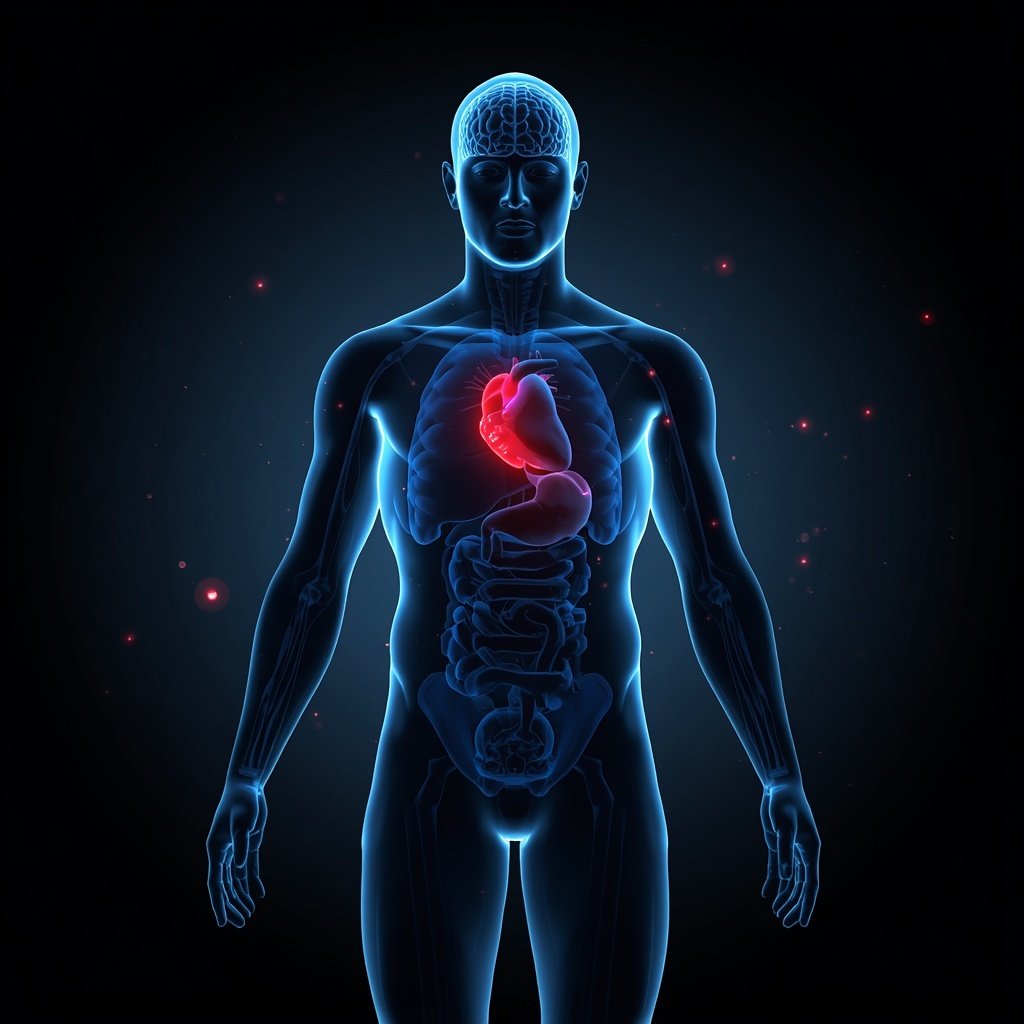
Lack of sleep can affect concentration, memory, reaction time, and mental performance.
🚨 You may notice:
- Difficulty concentrating
- Forgetfulness
- Slower thinking
- Poor decision-making
- Reduced creativity
- Slower reaction time
😠 2. Your Mood Can Change Dramatically
Have you ever become unusually irritated after a night of poor sleep?
That isn't necessarily your imagination.
Insufficient sleep can affect emotional regulation. You may become more impatient, frustrated, anxious, sensitive, or easily annoyed. Long-term sleep problems are also associated with depression and other mental-health difficulties.
This can create a frustrating cycle: poor sleep affects your mood, stress makes sleeping harder, and another night of poor sleep makes you feel even worse the next day.
❤️ 3. Your Heart May Feel the Pressure
Your heart does not simply stop working when you fall asleep. Instead, sleep gives your cardiovascular system an opportunity to enter a lower-demand state.
During normal sleep, blood pressure and heart rate generally decrease. When sleep is consistently inadequate or disrupted, this healthy pattern can be affected.
Research has linked inadequate sleep with an increased risk of high blood pressure and cardiovascular problems, including heart disease and stroke.
This does not mean that one sleepless night will automatically cause heart disease. The concern is mainly about persistent, poor-quality sleep over time.
⚖️ 4. Lack of Sleep Can Affect Your Weight
Here's a surprising connection: sleep and appetite are closely connected.
When you don't get enough sleep, changes in hormones involved in hunger and fullness can make you feel hungrier. Sleep deficiency has also been associated with increased food intake, reduced physical activity, and metabolic changes.
That late-night craving for chips, sweets, fast food, or sugary drinks may become harder to resist when you're exhausted.
🍔 The sleep-weight connection:
Less sleep → more tiredness → stronger hunger signals → easier access to high-calorie foods → potentially more weight gain over time.
🍬 5. Your Blood Sugar Regulation Can Be Affected
Your body needs to carefully regulate blood glucose, and sleep is part of that system.
Sleep deficiency can affect how the body responds to insulin and may contribute to higher-than-normal blood sugar levels. Over the long term, insufficient sleep is associated with a higher risk of metabolic problems, including type 2 diabetes.
This is another reason why sleep should be considered part of a healthy lifestyle—not merely something you do when you have free time.
🛡️ 6. Your Immune System May Become Less Effective
Your immune system works around the clock, and sleep is an important part of maintaining its normal function.
When you consistently fail to get enough quality sleep, your body's ability to respond effectively to infections can be affected. People who are sleep deficient may have more difficulty fighting common infections.
So if you frequently feel exhausted and seem to catch every seasonal illness going around, your sleep habits may deserve some attention.
💪 7. Your Body Gets Less Time for Repair
Sleep is also connected with physical recovery.
During sleep, the body carries out processes involved in tissue repair, muscle maintenance, growth, and recovery. Deep sleep is particularly important for the release of hormones involved in growth and tissue repair.
This is especially relevant for people who exercise regularly. Training puts stress on your muscles, while adequate recovery helps your body adapt.
Working out hard but consistently sleeping poorly can therefore make it more difficult to feel physically recovered.
Sleep affects multiple systems throughout the body, including cardiovascular, metabolic and immune health.
👀 8. Your Reaction Time Can Become Slower
This is one of the most dangerous effects of sleep deprivation.
You might think, “I'm tired, but I can still drive.” Unfortunately, feeling capable and actually being fully alert are not always the same thing.
Sleep deficiency can slow reaction time and increase mistakes. It can also cause microsleep—brief episodes of sleep that can happen without you realizing it. This becomes particularly dangerous while driving or operating machinery.
⚠️ Important: If you are struggling to stay awake, especially while driving, do not ignore it. Pull over somewhere safe and rest rather than trying to force yourself to continue.
📚 9. Your Learning and Memory May Suffer
Students and professionals often sacrifice sleep to study or finish work. Ironically, this can sometimes make learning less effective.
Sleep plays an important role in learning and memory formation. When you're sleep deprived, attention and information processing can become more difficult, making it harder to absorb and remember what you've studied.
That means staying awake for an extra few hours isn't always the productivity boost it appears to be.
A rested brain can often work more efficiently than an exhausted brain working for longer hours.
😩 10. You May Feel Tired Even After Doing Very Little
One of the most obvious signs of insufficient sleep is daytime sleepiness.
You may wake up feeling as if you barely slept. By afternoon, you might struggle to keep your eyes open. Watching television, sitting in class, reading, or even sitting quietly may make you feel unusually sleepy.
According to the NHLBI, persistent daytime sleepiness can be a sign that you are not getting enough quality sleep.
🧬 11. Your Hormones and Metabolism Can Be Disturbed
Your body follows an internal biological clock known as the circadian rhythm. Sleep timing and quality interact with hormones and metabolic processes throughout the day.
When sleep is repeatedly disrupted, hormones related to hunger, energy use, stress, and other body functions can be affected.
This is one reason why irregular sleep patterns can influence appetite, energy levels, metabolism, and overall wellbeing.
😵 12. Chronic Sleep Problems Can Affect Mental Wellbeing
Occasionally sleeping badly is different from having persistent sleep problems.
When inadequate sleep continues for weeks, months, or longer, the effects can become more significant. Chronic sleep problems have been associated with depression, anxiety, mental distress, and difficulties with emotional regulation.
In severe cases of extreme sleep deprivation, serious changes in perception and thinking can occur. Persistent or severe sleep problems should therefore not simply be dismissed as “being busy.”
⏰ How Much Sleep Do You Actually Need?
Sleep requirements vary with age, but adults generally need around 7–9 hours of sleep per night, with at least 7 hours commonly recommended for adults.
Children and teenagers generally need more sleep because their bodies and brains are still developing.
However, sleep duration isn't the only thing that matters. Sleep quality, regularity, timing, and whether you have an underlying sleep disorder also matter.
🌙 7 Simple Ways to Improve Your Sleep
- Keep a consistent schedule: Try to sleep and wake at roughly the same time every day.
- Get natural daylight: Morning or daytime light can help support a healthy body clock.
- Exercise regularly: Physical activity during the day can support better sleep.
- Reduce late-night screen exposure: Give yourself some quiet time before bed.
- Create a comfortable bedroom: Keep it cool, dark, and quiet when possible.
- Avoid heavy meals close to bedtime: Give your body time to settle down.
- Don't ignore persistent sleep problems: If you regularly struggle with sleep, consider discussing it with a healthcare professional.
These habits are consistent with recommendations from the CDC for supporting healthier sleep.
🚨 When Should You Take Sleep Problems Seriously?
Occasional poor sleep is common. But if you regularly experience difficulty falling asleep, staying asleep, waking too early, or feeling exhausted despite spending enough time in bed, it may be worth talking to a healthcare professional.
You should also pay attention to symptoms such as severe daytime sleepiness, frequent loud snoring, gasping or pauses in breathing during sleep, or repeatedly waking feeling unrefreshed.
Some people may have an underlying sleep disorder such as sleep apnea, which can interfere with sleep quality and is associated with important health risks.
🤯 The Biggest Surprise About Sleep
Perhaps the most surprising thing about sleep is that you can become accustomed to feeling tired without realizing how much your performance has changed.
Some people believe they have “adapted” to sleeping only a few hours. But research shows that sleep deficiency can continue to affect attention, reaction time, decision-making, learning, and health even when a person feels they are managing reasonably well.
In other words, feeling used to being tired doesn't necessarily mean your body is okay with it.

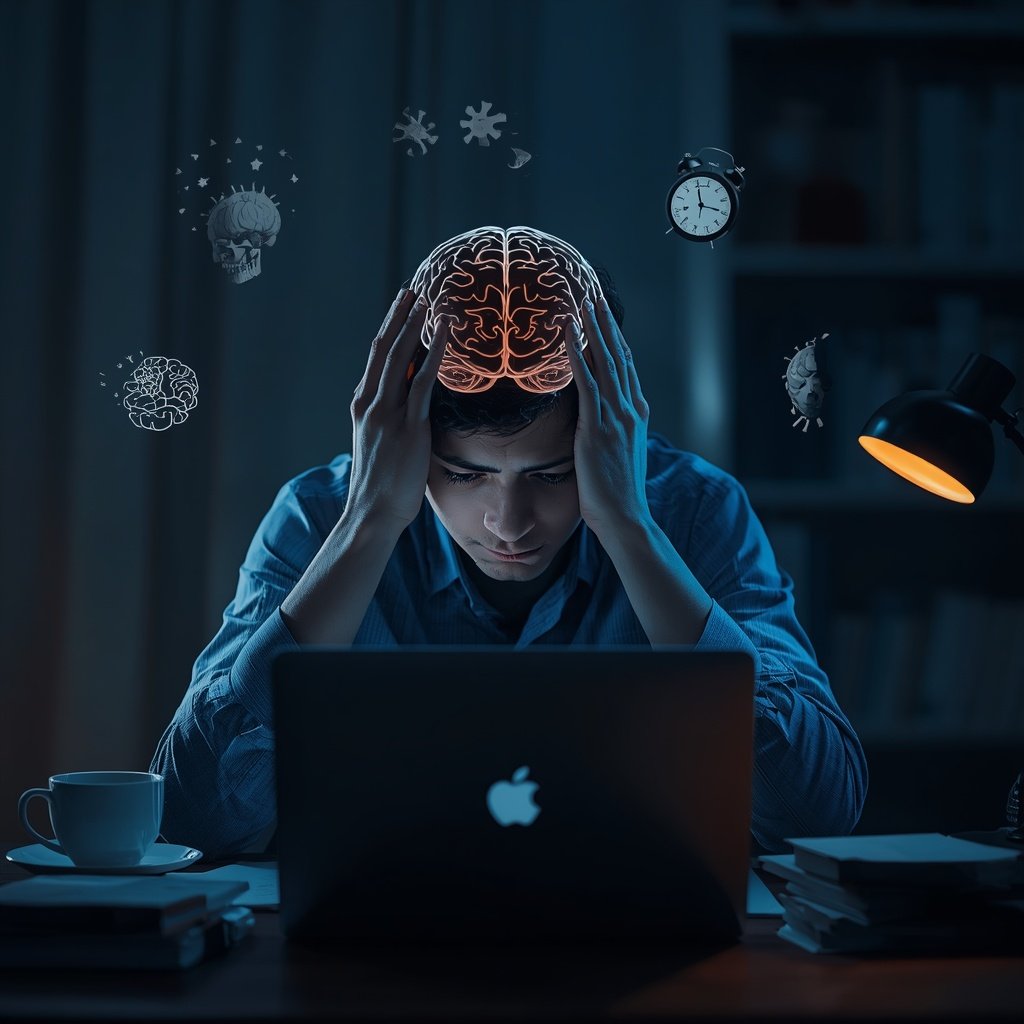
A sleepless night can affect energy, concentration, mood and everyday performance.
🌅 Final Thoughts
Sleep is not wasted time. It is one of the basic foundations of physical and mental health.
When you sleep, your brain gets an opportunity to process information and support memory. Your body works on repair and recovery. Your immune system continues its important work. Hormones and metabolism are regulated, and your cardiovascular system gets a chance to operate under different conditions.
When sleep is repeatedly cut short, all of these processes can be affected.
So the next time you think about sacrificing another few hours of sleep, remember this: your body isn't simply “doing nothing” while you sleep. It's working behind the scenes to help you function the next day.
💙 Give Your Body the Sleep It Needs
Better sleep can support better focus, mood, recovery, immunity, and overall health.
Don't wait until exhaustion becomes your normal.
❓ Frequently Asked Questions
1. Is one night of poor sleep dangerous?
One poor night can cause temporary tiredness, reduced concentration, slower reaction time, and mood changes. The bigger concern is repeated or chronic sleep deficiency.
2. Can lack of sleep cause weight gain?
Insufficient sleep is associated with changes in hunger hormones, appetite, food intake, metabolism, and obesity risk. However, weight is influenced by many factors, not sleep alone.
3. Can lack of sleep affect memory?
Yes. Sleep is important for learning, attention, information processing, and memory formation. Sleep deficiency can make it harder to concentrate and remember information.
4. Does sleeping more on weekends completely fix lost sleep?
Extra sleep may make you feel better, but it does not necessarily replace all the benefits of consistent nighttime sleep. Maintaining a regular sleep schedule is generally recommended.
5. When should I talk to a doctor about sleep?
If sleep problems are persistent, significantly affect your daytime functioning, or you regularly feel unrefreshed despite getting enough time in bed, consider speaking with a healthcare professional.
Medical Disclaimer: This article is for general educational and informational purposes only. It is not a substitute for professional medical advice, diagnosis, or treatment. Persistent, severe, or concerning symptoms should be discussed with a qualified healthcare professional.