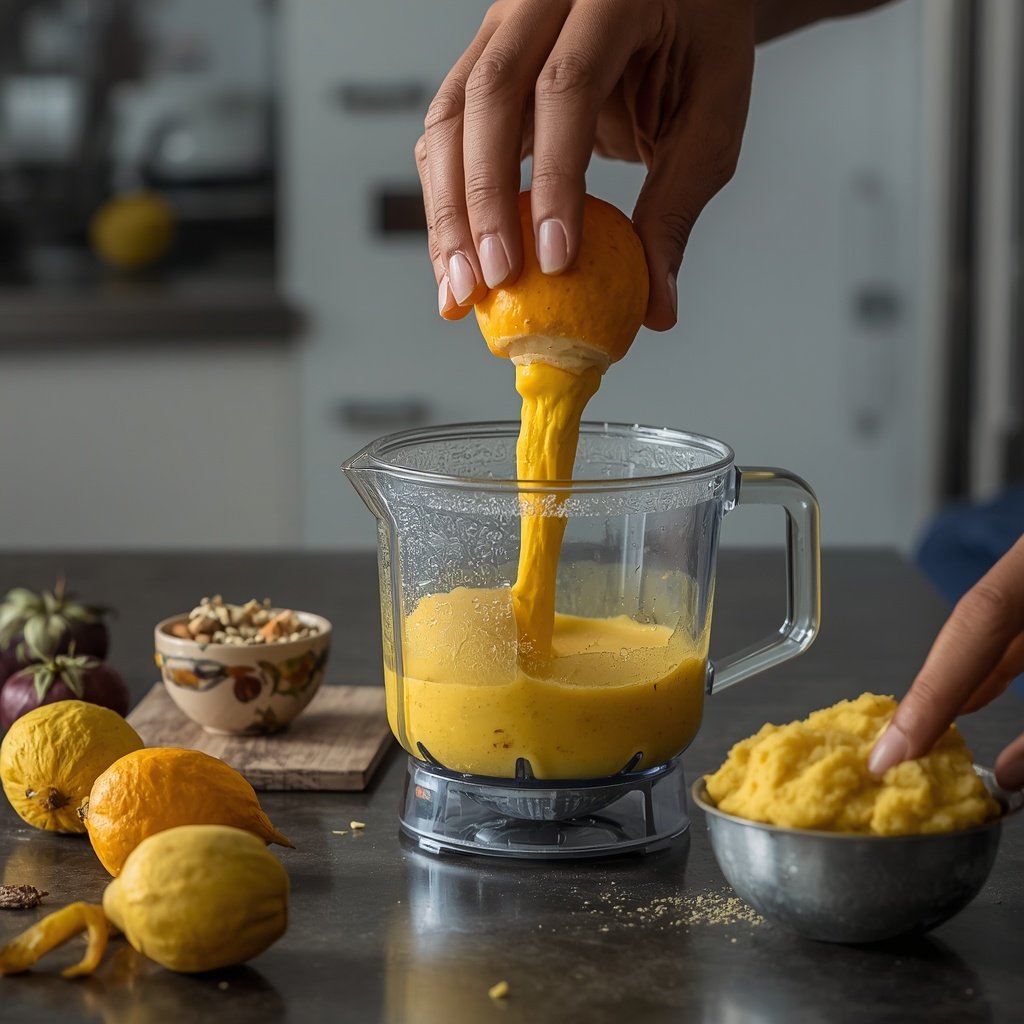
If you love trying unique fruit desserts, this chikoo cake recipe is a delicious option to add to your baking list. Chikoo, also known as sapodilla, has a naturally sweet flavor and a soft, creamy texture that works surprisingly well in homemade cakes.
Prep Time: 20 minutes
Cook Time: 40 minutes
Total Time: 1 hour
Servings: 8 slices
Pan Size: 8-inch round or 9×5-inch loaf pan
Most people enjoy chikoo in smoothies, milkshakes, fruit salads, or simply as fresh fruit. However, ripe chikoo can also be transformed into a soft, moist, and flavorful homemade cake. Its natural sweetness gives the cake a pleasant fruity taste, while the soft fruit puree helps create a tender texture.
This homemade chikoo cake is perfect for tea time, breakfast, family gatherings, special occasions, or whenever you want to try something different from traditional vanilla and chocolate cakes.
The recipe uses simple ingredients and does not require complicated baking techniques. If you already enjoy baking banana cake, carrot cake, or other fruit-based desserts, chikoo cake is another delicious recipe worth trying.
In this complete guide, you will learn how to make a chikoo cake from scratch, choose the best fruit for baking, prepare chikoo puree, mix the batter correctly, bake the cake, try different variations, store leftovers, and avoid common baking mistakes.
What Is Chikoo?
Chikoo is a tropical fruit with brown skin and soft, sweet flesh inside. It is also known as sapodilla in many parts of the world.
If you want to explore food and nutrient information, you can check the USDA FoodData Central, which provides food composition and nutrition data.
When chikoo becomes fully ripe, the flesh turns soft and can easily be mashed or blended into a smooth puree. This texture makes it suitable for desserts, smoothies, puddings, milkshakes, and baked recipes.
The flavor is naturally sweet and slightly caramel-like. When added to cake batter, chikoo provides a gentle fruity flavor without overpowering the vanilla, butter, nuts, or other ingredients.
For the best chikoo cake recipe, always use fully ripe fruit. Unripe chikoo can be firm, less sweet, and difficult to blend into a smooth puree.
Why You Will Love This Chikoo Cake Recipe
There are several reasons why this cake can become one of your favorite homemade fruit desserts.
Naturally Sweet Flavor
Ripe chikoo has its own natural sweetness. Depending on how sweet your fruit is, you may slightly adjust the amount of added sugar.
Soft and Moist Texture
The chikoo puree adds moisture to the batter. When the ingredients are measured correctly, the result is a soft cake with a tender crumb.
Easy to Make
You do not need any unusual ingredients or professional baking equipment. Most of the ingredients are commonly found in a home kitchen.
A Unique Alternative to Regular Cakes
Chocolate and vanilla cakes are popular, but sometimes it is enjoyable to try something different. Chikoo gives this cake a unique fruity flavor.
Easy to Customize
You can make several versions of this recipe. Add walnuts for crunch, chocolate for a richer taste, or use an eggless variation according to your preference.
Suitable for Different Occasions
You can serve this cake:
- With evening tea
- With coffee
- As a homemade dessert
- At family gatherings
- In children’s lunch boxes
- During small celebrations
- As a simple cake for guests
How to Choose the Best Chikoo for Baking
Choosing the right fruit is one of the most important steps.
Look for chikoo that feels soft when gently pressed. The fruit should not be extremely hard because firm chikoo may not provide enough sweetness or blend smoothly.
Avoid fruit that has an unpleasant smell or signs of excessive spoilage.
A ripe chikoo should have:
- Soft flesh
- A sweet aroma
- Natural sweetness
- A texture that can easily be mashed
If your chikoo is still hard, leave it at room temperature until it becomes softer.
Remember that very watery or overly spoiled fruit can also affect the consistency of your cake batter. The goal is to use ripe, sweet chikoo with soft but usable flesh.
Ingredients for Chikoo Cake
Main Ingredients
- 2 to 3 large ripe chikoo fruits
- About ¾ to 1 cup chikoo puree
- 1½ cups all-purpose flour
- ¾ cup sugar
- ½ cup cooking oil or melted butter
- 2 eggs
- 1 teaspoon baking powder
- ½ teaspoon baking soda
- ½ cup plain yogurt or buttermilk
- 2–3 tablespoons milk, only if needed
- 1 teaspoon vanilla essence
- A small pinch of salt
Optional Ingredients
You can also add:
- ¼ to ½ cup chopped walnuts
- Chopped almonds
- Raisins
- Chocolate chips
- A pinch of cinnamon
- A small amount of cardamom powder
These optional ingredients allow you to change the flavor according to your preference.
Important: Baking soda works best when combined with an acidic ingredient. Yogurt or buttermilk helps activate it properly and can contribute to a better cake texture.
How to Prepare Chikoo Puree
Preparing the puree is simple.
Step 1: Wash the Fruit
Wash the chikoo properly before cutting or peeling it.
Step 2: Peel and Remove the Seeds
Remove the brown skin and carefully take out all the seeds.
Make sure no seeds remain because even one seed can affect the texture of the puree.
Step 3: Blend the Fruit
Place the soft chikoo flesh into a blender.
Blend until smooth.
If necessary, add one or two teaspoons of milk to help the blending process. However, avoid adding too much liquid.
Step 4: Check the Consistency
The puree should be thick and smooth rather than watery.
For this recipe, approximately ¾ to 1 cup of puree is usually enough.
Step-by-Step Chikoo Cake Recipe
Step 1: Preheat the Oven
Preheat your oven to 180°C.
Prepare an 8-inch round cake pan or a 9×5-inch loaf pan. Grease it lightly with butter or oil.
You can dust the pan with a little flour or line the bottom with baking paper to make removing the cake easier.
Preheating is important because placing the batter into a properly heated oven helps the cake bake more evenly.
Step 2: Prepare the Dry Ingredients
Take a medium bowl and add:
- All-purpose flour
- Baking powder
- Baking soda
- Salt
Sift the ingredients together.
Sifting can help remove lumps and distribute the leavening ingredients evenly through the flour.
Once mixed, set the bowl aside.
Step 3: Whisk the Eggs and Sugar
In a separate large mixing bowl, add the eggs and sugar.
Whisk until the mixture becomes lighter and slightly fluffy.
You can use a hand whisk or an electric mixer.
Add the vanilla essence and mix again.
You do not need to overbeat the mixture. The purpose is to combine the ingredients properly and introduce some air into the batter.
Step 4: Add the Oil or Butter
Slowly add the oil or melted butter to the egg mixture.
Mix gently until combined.
Oil can help produce a soft and moist cake, while butter may add a richer flavor.
Both options can work well for this chikoo cake recipe.
Step 5: Add the Chikoo Puree and Yogurt
Add the prepared chikoo puree to the wet ingredients.
Then add the yogurt or buttermilk.
Mix gently until everything is evenly combined.
At this stage, the mixture should have a pleasant fruity aroma.
The chikoo puree will provide much of the cake’s unique flavor and natural moisture.
Step 6: Combine the Wet and Dry Ingredients
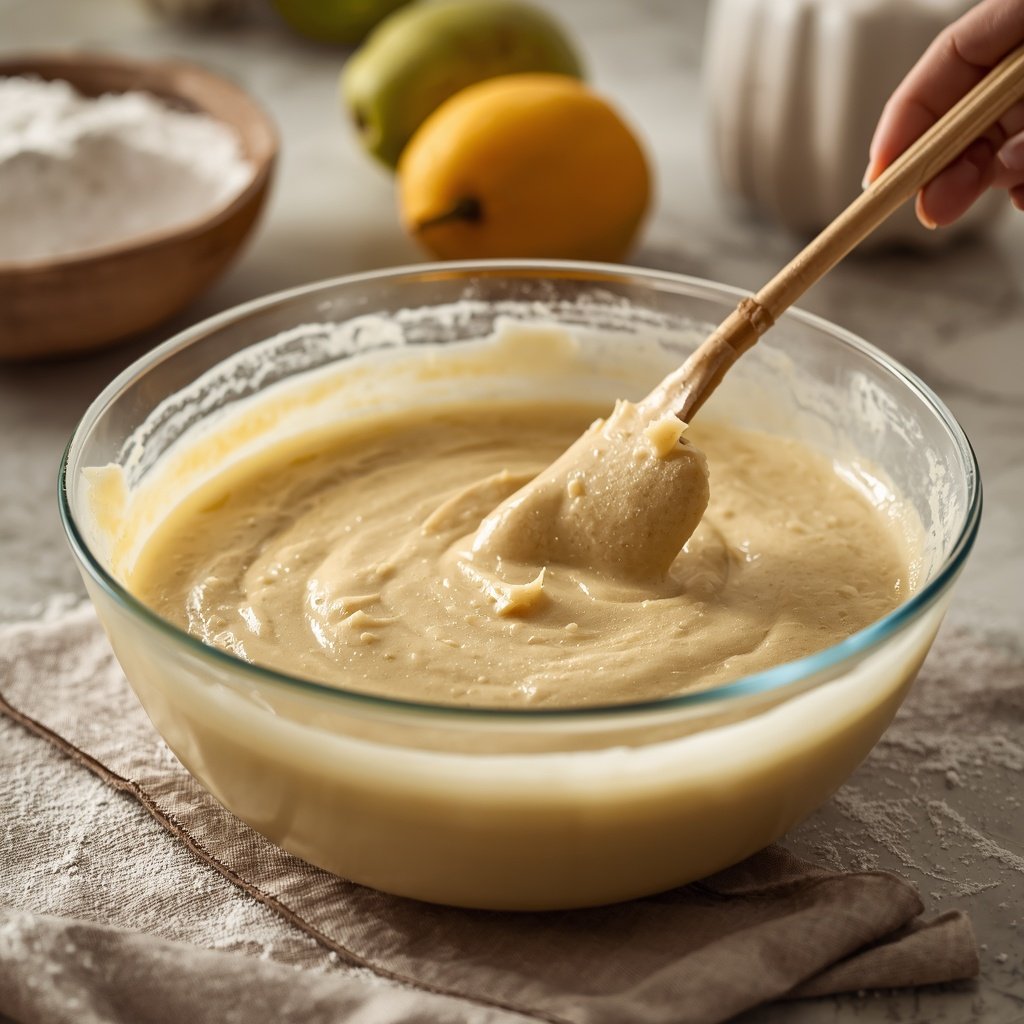
Gradually add the dry ingredients to the wet mixture.
It is better to add the flour mixture in batches rather than all at once.
Use a spatula or whisk to gently fold the ingredients together.
If the batter feels unusually thick, add a small amount of milk. Start with one tablespoon and only add more if necessary.
Do not overmix the batter.
Once the flour is fully incorporated, stop mixing. Overmixing can sometimes result in a heavier or denser cake.
If you are using walnuts, raisins, almonds, or chocolate chips, gently fold them into the batter now.
Step 7: Pour the Batter into the Pan
Pour the prepared batter into your greased cake pan.
Gently tap the pan on the counter to release large air bubbles.
Use a spatula to level the surface.
Do not fill the pan completely because the cake needs room to rise during baking.
Step 8: Bake the Chikoo Cake
Place the pan in the preheated oven.
Bake at 180°C for approximately 35 to 45 minutes.
The exact baking time may vary depending on:
- Your oven
- The size and material of the pan
- The amount of moisture in the chikoo
- The thickness of the batter
Start checking the cake around the 35-minute mark.
Insert a toothpick or skewer into the center.
If it comes out clean or with a few dry crumbs, the cake is ready.
If wet batter remains on the toothpick, continue baking and check again after a few minutes.
Try not to open the oven during the first 20 minutes because sudden temperature changes may affect the cake’s rise.
How to Make Chikoo Cake Without Eggs
You can also prepare an eggless version.
Instead of two eggs, try one of the following options:
Option 1: Thick Yogurt
Use approximately ½ cup thick plain yogurt.
Option 2: Flax Egg
Mix:
- 1 tablespoon ground flaxseed
- 3 tablespoons water
Allow the mixture to rest for around five minutes before using it.
For a recipe replacing two eggs, adjust the quantity accordingly based on your chosen egg substitute.
The texture of an eggless cake may be slightly different, but the chikoo puree can help keep the cake moist.
Make sure your baking powder and baking soda are fresh because they are important for helping the cake rise.
Chikoo Walnut Cake Variation
Walnuts are an excellent addition to this recipe.
Add around ¼ to ½ cup chopped walnuts to the batter before baking.
You can also sprinkle a few pieces over the top.
The walnuts add a light crunch, which creates a nice contrast with the soft texture of the cake.
For additional flavor, add a small pinch of cinnamon.
This variation works particularly well as a tea-time cake.
Chocolate Chikoo Cake Variation
If you enjoy chocolate desserts, you can create a chocolate version.
Add:
- 2 to 3 tablespoons cocoa powder
- Around ¼ cup chocolate chips, if desired
Since cocoa powder adds another dry ingredient, slightly reduce the amount of flour to maintain a balanced batter.
Chocolate can give the cake a richer flavor while the chikoo continues to provide moisture and natural sweetness.
Chikoo Almond Cake Variation
Another delicious option is to add chopped almonds.
Fold chopped almonds into the batter or sprinkle sliced almonds over the top before baking.
A small pinch of cardamom can also work nicely with the sweet flavor of chikoo.
This variation gives the cake a slightly different texture and can make it look more attractive when served to guests.
Tips for Making the Best Chikoo Cake
Follow these simple tips for better results.
Use Fully Ripe Chikoo
The fruit should feel soft when gently pressed.
Hard chikoo may not blend properly and may not provide the same sweet flavor.
Remove Every Seed
Check the fruit carefully before blending.
A missed seed can create an unpleasant surprise in the finished cake.
Keep the Puree Thick
Chikoo already contains moisture.
Avoid adding unnecessary water or milk while making the puree.
Measure the Ingredients Carefully
Baking is different from many other types of cooking because ingredient proportions can affect the final texture.
Too much fruit puree or too much liquid may create a heavy or wet cake.
Do Not Overmix
Once you add the flour, mix only until the ingredients are combined.
Overmixing may make the cake less tender.
Check Your Baking Powder and Baking Soda
Old or inactive leavening agents may prevent the cake from rising properly.
Let the Cake Cool
Allow the cake to rest in the pan for around 10 to 15 minutes after baking.
Then carefully transfer it to a cooling rack.
Cutting the cake immediately while it is very hot may cause it to break.
How to Serve Chikoo Cake
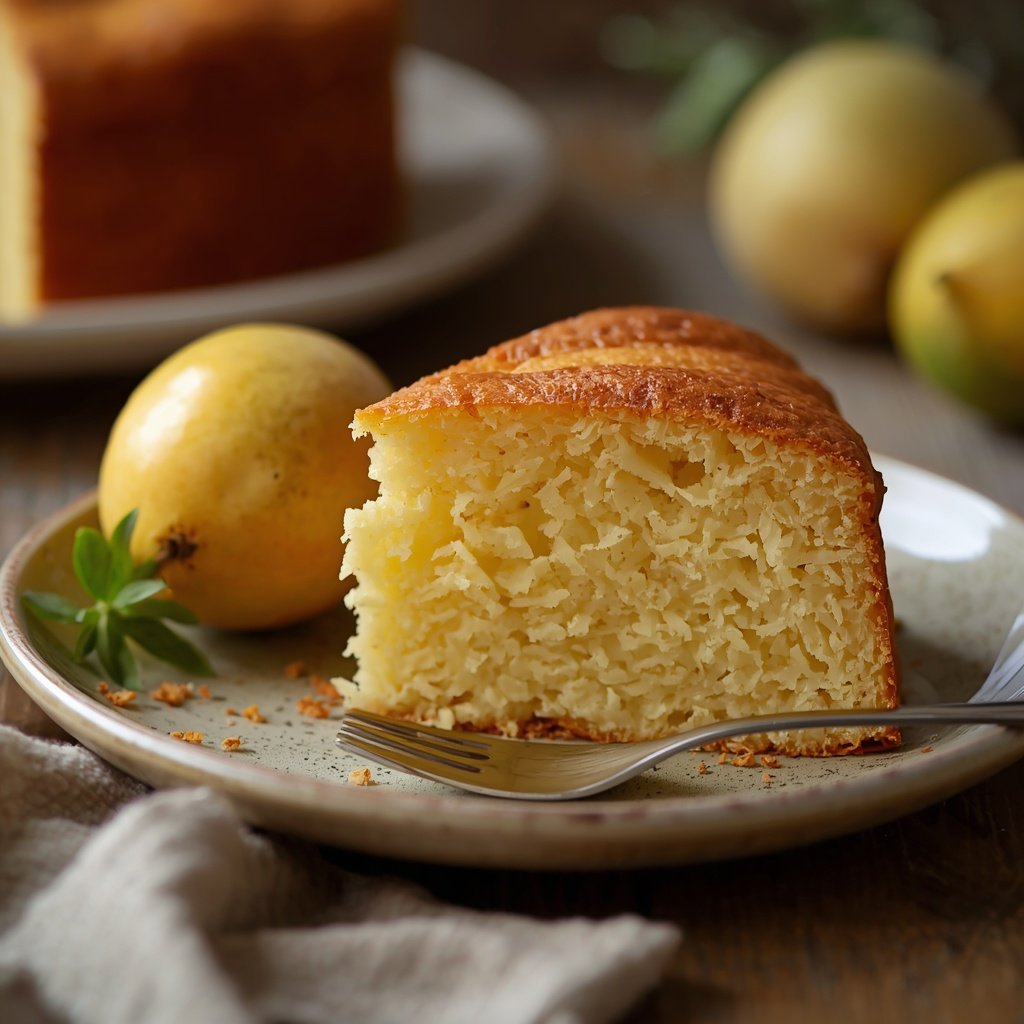
This cake tastes delicious without any topping, but you can serve it in several ways.
With Tea or Coffee
A simple slice of chikoo cake makes a great afternoon snack.
With Whipped Cream
Add a small amount of whipped cream for a more dessert-like presentation.
With Fresh Fruit
You can serve the cake with fresh fruit such as:
- Banana
- Mango
- Strawberries
- Other seasonal fruits
With Vanilla Ice Cream
A warm slice of chikoo cake served with vanilla ice cream can make a simple homemade dessert.
With Chocolate Drizzle
Drizzle a small amount of melted chocolate over the cooled cake.
This works especially well if you enjoy the combination of fruit and chocolate.
How to Store Chikoo Cake
Proper storage can help maintain the cake’s freshness and texture.
Room Temperature
Store the completely cooled cake in an airtight container for short-term use.
Keep it away from direct sunlight and excessive heat.
Refrigerator
For longer freshness, store the cake in an airtight container in the refrigerator.
Before serving, allow refrigerated slices to sit for a few minutes at room temperature.
This can help the cake become softer.
Freezer Storage
You can also freeze individual slices.
Wrap each slice properly and place it in a freezer-safe container or bag.
When you want to eat it, allow the slice to thaw before serving.
Freezing individual portions can be useful when you want to enjoy the cake later without baking again.
Common Mistakes to Avoid
Even simple recipes can go wrong if a few important details are ignored.
Using Unripe Chikoo
Hard fruit may not blend smoothly and may affect the flavor.
Adding Too Much Liquid
Chikoo puree already contains moisture. Adding excessive milk can make the batter too thin.
Using Too Much Fruit Puree
More fruit does not always mean a better cake.
Too much puree can affect the structure and make the cake heavy.
Overmixing the Batter
Mix only until combined after adding the flour.
Overbaking
Leaving the cake in the oven for too long can make it dry.
Start checking near the recommended baking time.
Opening the Oven Too Early
Opening the oven repeatedly during the early baking stage can affect how the cake rises.
Cutting While Very Hot
Allow the cake to cool slightly before slicing for cleaner pieces.
Can I Make Chikoo Cake Without an Oven?
Yes. You can prepare it using a covered pan or another suitable stovetop baking method.
However, cooking time and heat control will be different from an oven. Use low heat and cook gradually to avoid burning the bottom.
Can I Use Frozen Chikoo?
Yes, frozen chikoo can be used after thawing.
However, avoid adding too much of the liquid released during thawing because it can affect the batter consistency.
Can I Reduce the Sugar?
Yes. Since ripe chikoo is naturally sweet, you can reduce the sugar according to your taste.
However, remember that sugar also contributes to the texture and moisture of baked goods.
Why Is My Chikoo Cake Dense?
A dense cake can happen because of:
- Overmixing
- Too much fruit puree
- Too much liquid
- Inactive baking powder or baking soda
- Incorrect ingredient measurements
Follow the measurements carefully and mix gently.
Can I Add Other Fruits?
Yes, but do not add too much additional fruit because it can increase the moisture level.
Banana is one possible option because it also has a soft texture.
Can I Use Whole Wheat Flour?
You can replace some or all of the all-purpose flour with whole wheat flour, but the texture may become denser.
If using whole wheat flour, avoid overmixing the batter.
Can I Make This Cake Less Sweet?
Yes. Start by reducing the sugar slightly, especially if your chikoo is very sweet.
It is usually better to make small adjustments rather than removing too much sugar at once.
Can I Use Butter Instead of Oil?
Yes. Melted butter can be used instead of oil.
Oil often creates a softer and moister texture, while butter can provide a richer flavor.
Final Thoughts
This chikoo cake recipe is a simple and delicious way to use fresh, ripe chikoo in a completely different form.
The natural sweetness and soft texture of chikoo make it an interesting ingredient for homemade baking. Whether you choose the classic version, an eggless cake, a walnut variation, or a chocolate version, you can easily adapt the recipe to your own taste.
The key to success is simple: choose ripe chikoo, make a thick and smooth puree, measure your ingredients carefully, and avoid overmixing the batter.
Once baked, you will have a soft, moist, and naturally sweet homemade cake that can be enjoyed with tea, coffee, or as a dessert.
If you are looking for a fruit cake that is different from the usual banana, apple, or chocolate options, give this homemade chikoo cake recipe a try.
Tried this recipe? Leave a comment below and share how your chikoo cake turned out!